

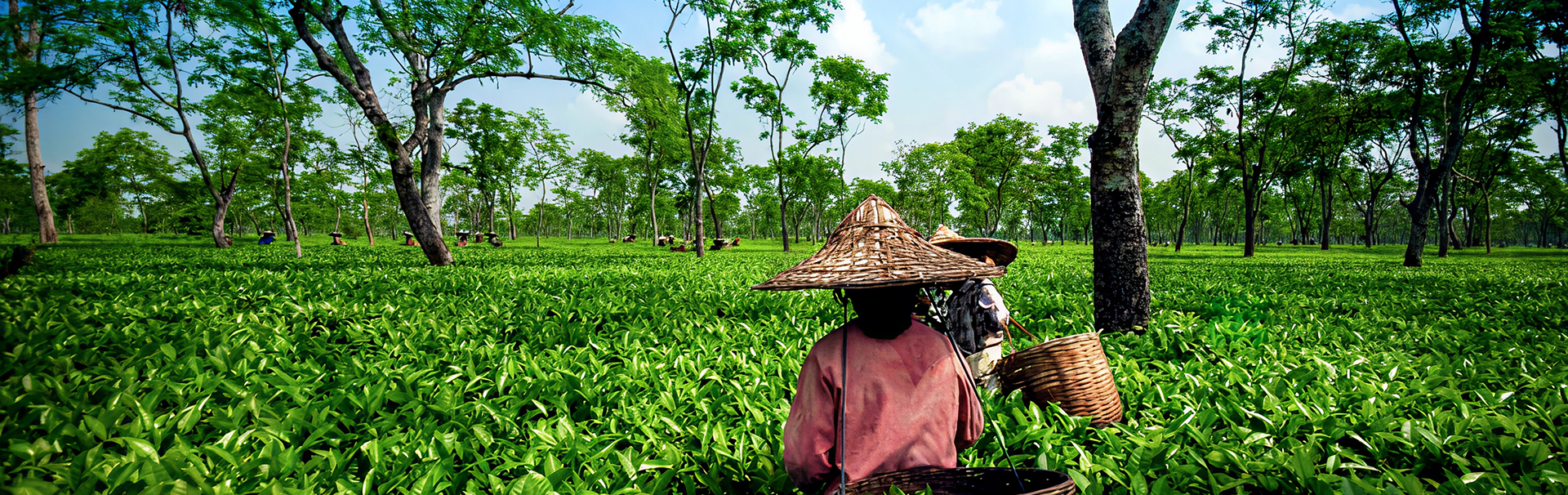
North East India: Brahmaputra & Beyond
From river islands to sacred groves, a story-led immersion into India’s North-East The Brahmaputra is not just a river. It is a force that shapes land, language, and life itself. This is a 9-days journey into North-East India, a region often overlooked yet overflowing with culture, nature, and sacred rhythm. Here, the river is the spine, and every place it touches tells a story.
Journey Highlights
From folk performances by firelight to tea in planter estates, bamboo crafts to barefoot chants, every moment is shaped by the river’s rhythm.
This is not a sightseeing trip. It is a surrender. One that flows gently, like the Brahmaputra itself.
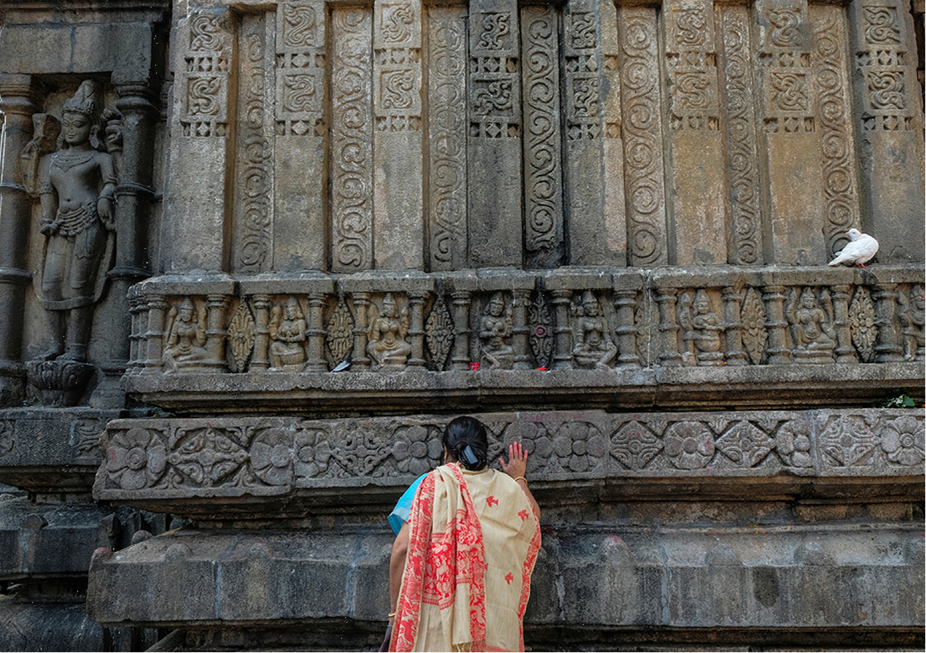
Receive blessings at Kamakhya Temple
Begin your journey with a private guided visit to one of India’s most sacred and mysterious temples, rooted in tantric traditions.
Stay beside the Brahmaputra in Kaziranga
Experience understated luxury at a jungle lodge, with safaris, tribal performances, and riverside meals guided by conservation storytellers.
Cross to Majuli, the floating monastery island
Ferry across the Brahmaputra to meet monks, artists, and tribes who have shaped this river island’s devotional and cultural identity.
Cook, craft, and connect in tribal villages
Learn millet brewing, mask-making, and architectural resilience from master artisans and elders in Mishing and Apatani communities.
Sip heritage teas in colonial bungalows
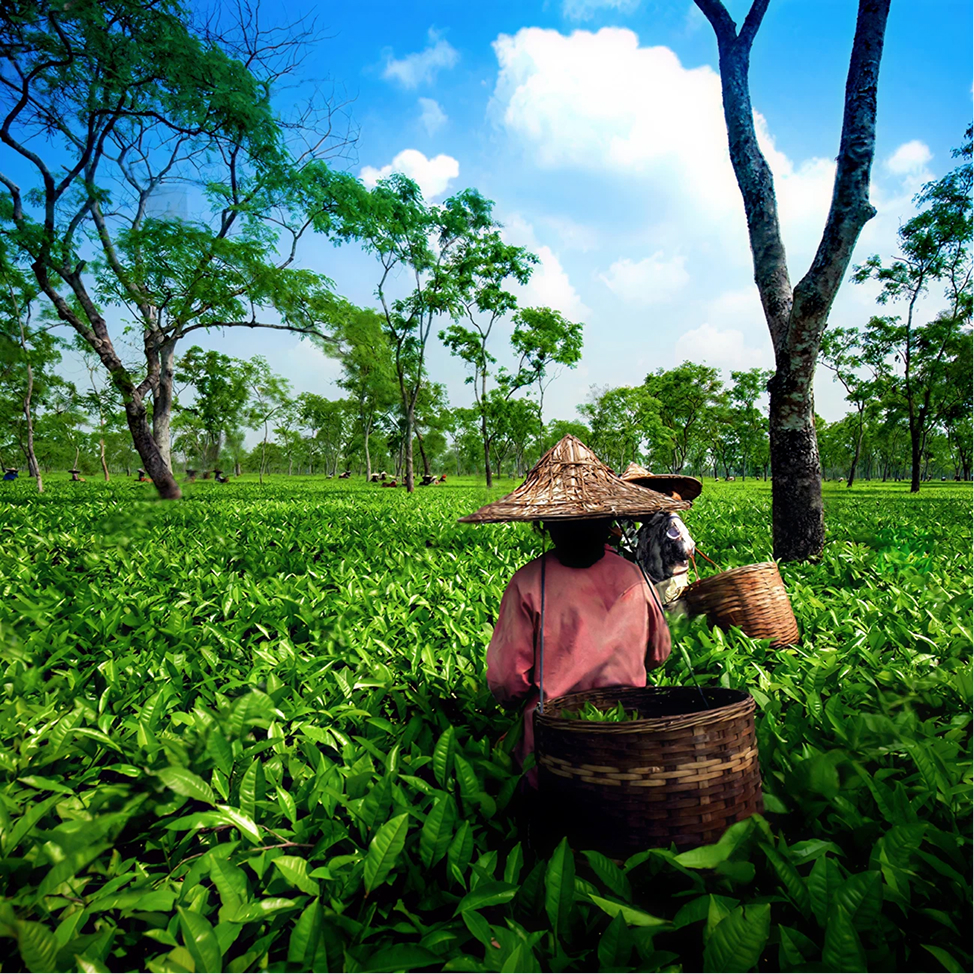
Stay in planter estates near Jorhat, walk through private gardens, and sample teas guided by a sommelier who knows their stories.
Share a slow meal in Ziro Valley
Dine with Apatani families in bamboo homes, where food is foraged, stories are sung, and the forest is both kitchen and temple.
The Route
Each destination is a chapter in a wider listening. You will not race across regions, but pause, connect, and feel. Slowly. Deeply.
- Guwahati, the city of goddesses, where sacred feminine energy pulses through ancient tantric temples and riverfront rituals.
- Kaziranga, where wildlife and floodplains coexist, and the forest hums with elephants, rhinos, and whispered myths.
- Majuli, a river island of devotion and art, where monks sing stories and masks come alive with memory.
- Jorhat, the tea capital, where colonial bungalows and sommelier-led tastings bring Assam’s liquid heritage into focus.
- Ziro Valley, a highland cradle of the Apatani people, where forests are temples, farming is song, and every meal is shared with soul.
Contact us to begin your journey

| Duration: | 10 Days |
| PRICE (per person): | Starting from USD 3000 |
| Regions Covered: | Guwahati, Kaziranga, Majuli, Jorhat, Ziro (North-East India) |
| Trip Themes: | Culture, Nature, Spirituality, Slow Travel |
| Best Time to Travel: | October to March |
| Perfect For: | Curious travellers, seekers of lesser-known India, and lovers of rivers, rituals, and remote landscapes |

Itinerary
DAY
1
Guwahati | City of Goddesses
You arrive in Guwahati, the gateway to India’s mystical North-East. Set beside the mighty Brahmaputra, this ancient city carries both spiritual gravity and a pulse of daily life that feels deeply rooted.
After a private transfer to your luxury hotel, you settle in and unwind. Your journey begins not with motion, but with reverence.
In the afternoon, you are guided to the hilltop Kamakhya Temple, one of the most powerful Shakti Peethas in India. Here, devotion takes on an earthbound form, rooted in the temple’s tantric legacy. With private access and a local expert by your side, you learn the stories that are not always written. Stories of the goddess, of energy, of sacred feminine power that flows like the river itself.
As night falls, you are welcomed with an Assamese fine-dining experience, curated by a regional chef. The dishes are elegant but grounded, built around local grains, river fish, and seasonal greens. This is your first taste of the region and of its quiet richness.
The journey has begun.
DAY
2
To Kaziranga | Into the Floodplains
You leave Guwahati behind and travel eastward by road. The landscape shifts with every hour. Cities dissolve into tea gardens, roadside temples, bamboo groves, and stretches of green that feel untouched by time.
By afternoon, you arrive at Kaziranga National Park, a UNESCO World Heritage Site and one of the most biodiverse floodplains in the world. Your stay is at an elegant jungle lodge beside the river, where comfort blends gently into the wilderness.
After settling in, you join a private orientation session with a resident naturalist, who introduces you to the rhythms of this unique ecosystem. Kaziranga is not just a national park. It is the result of centuries of coexistence between water, wildlife, and the people who live alongside them. You begin to see how the Brahmaputra shapes everything here, from the soil to the sky.
Dinner is served in a quiet thatched pavilion, with ingredients sourced from nearby farms and stories cooked into every plate. The sounds of the forest settle around you.
The wild is near now, and the river is speaking.
DAY
3
Kaziranga | Rhinos, Rituals, and River Songs
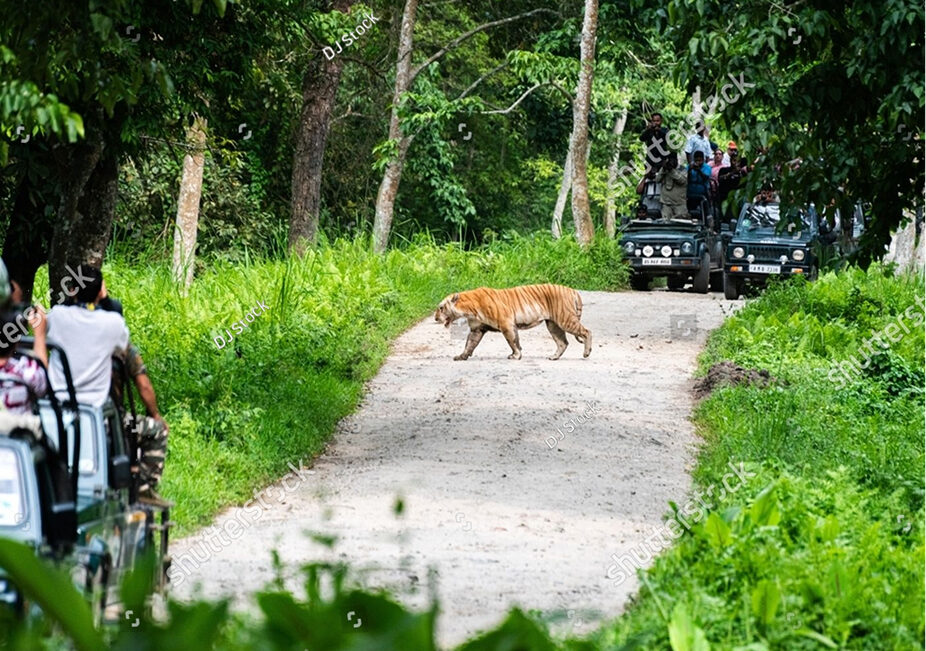
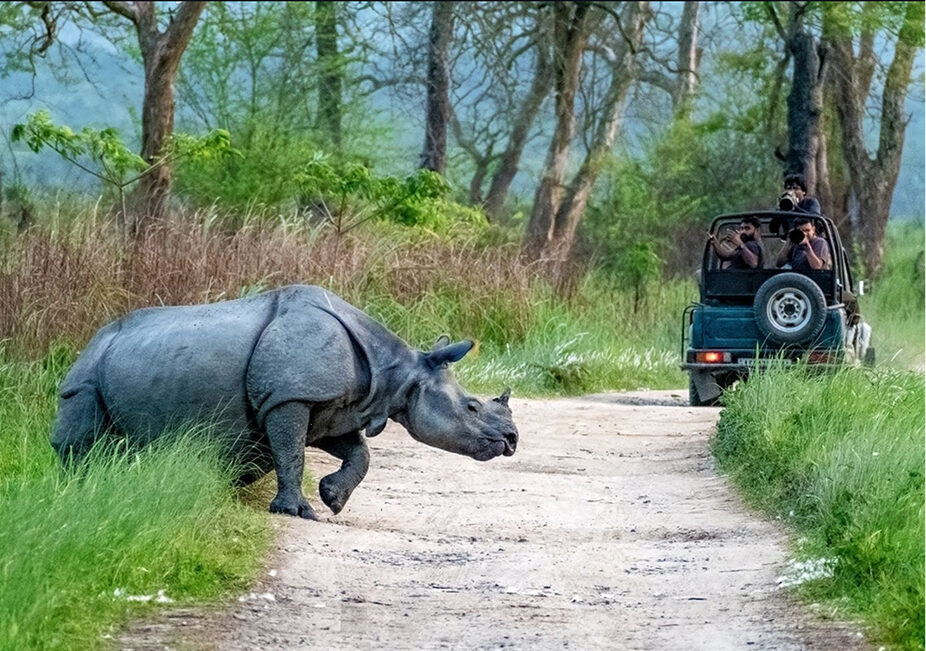
Your day begins at dawn, with a private jeep safari through the Eastern Range of Kaziranga. Mist lingers low over the grasslands as you move quietly through the forest. You may spot the park’s famous one-horned rhinoceros, herds of wild elephant, swamp deer, or a fleeting silhouette of a tiger. But this is more than a checklist safari. It is a meditation on what it means to protect, preserve, and live in balance.
At midday, you enjoy a picnic lunch by the Brahmaputra, set up under trees near the riverbank. Here, a conservation storyteller shares tales of Kaziranga’s founding, its floods, and the communities that have learned to live with both danger and grace.
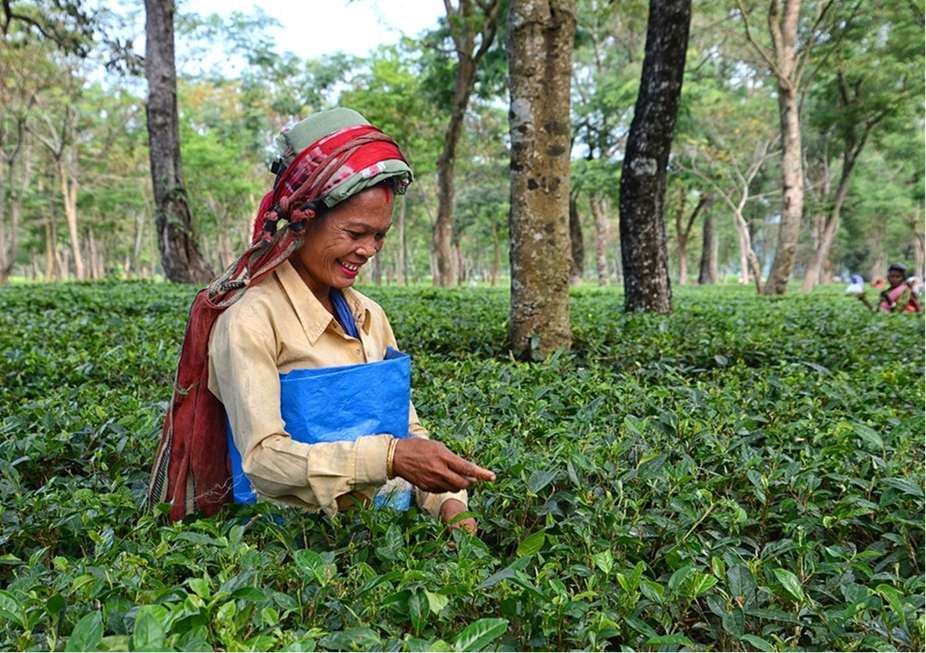
In the afternoon, you visit a working tea estate for a curated walk through its gardens and a guided tasting session. You learn how Assam’s most famous export travels from bush to cup, and why this soil, soaked by the Brahmaputra, produces such distinctive leaves.
Evening brings a folk performance under the stars, followed by an open-air dinner cooked slow and served warm, as the forest begins to quiet.
DAY
4
To Majuli | Crossing Into Devotion
After breakfast, you drive to Neemati Ghat, where a private ferry awaits to take you across the Brahmaputra to Majuli Island. The journey over water is quiet and open. The river feels wider here, as if asking you to slow down before you arrive.
Majuli is the world’s largest river island, but it is also a floating monastery of sorts. This is the spiritual heart of the Vaishnavite tradition in Assam. Devotion here is not loud. It is practiced through silence, art, rhythm, and ritual.
You check in to your eco-lodge overlooking the river, built with local materials and thoughtful quietude. The air feels different here. Time loosens.
In the afternoon, you visit a Sattra monastery for a private audience with a Vaishnavite monk. You sit on the floor, sip tea, and listen. Not to a lecture, but to a way of life. The chanting, the masks, the minimalism. It is faith without performance.
As the sun begins to set, you step aboard a small wooden boat for a sunset ride and meditation session. The water carries you. The sky begins to burn orange. And in the stillness, something settles.
DAY
5
Majuli | Masks, Mishing, and Memory
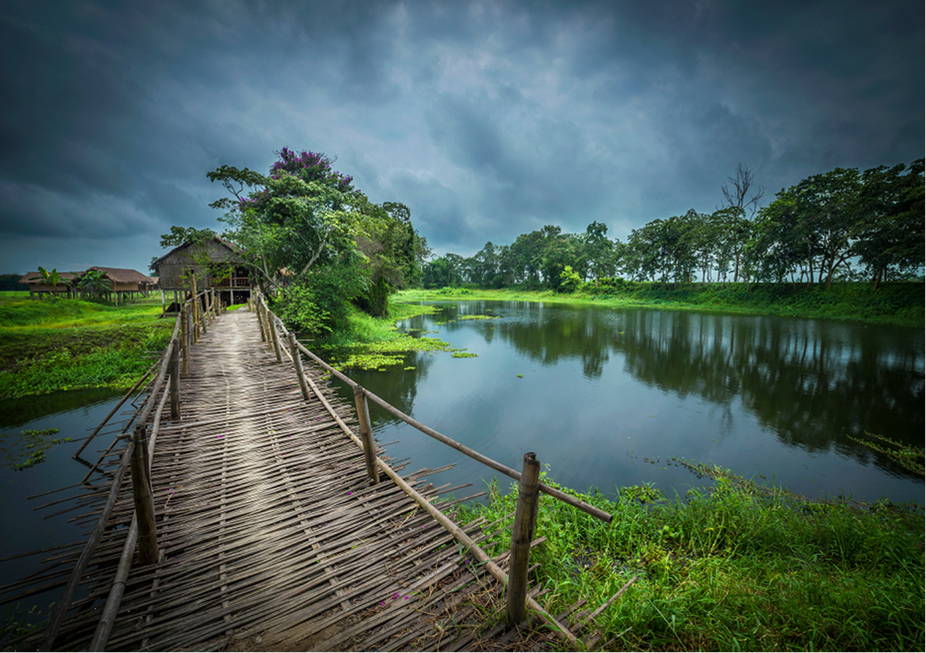
This morning, you journey inland to a Mishing tribal village, where bamboo homes stand on stilts and community life flows with the river’s moods. You are welcomed by elders who share their techniques of millet brewing, smoked fish preparation, and flood-resilient architecture. These are not demonstrations for tourists. They are conversations shaped by generations of living with the land and water.
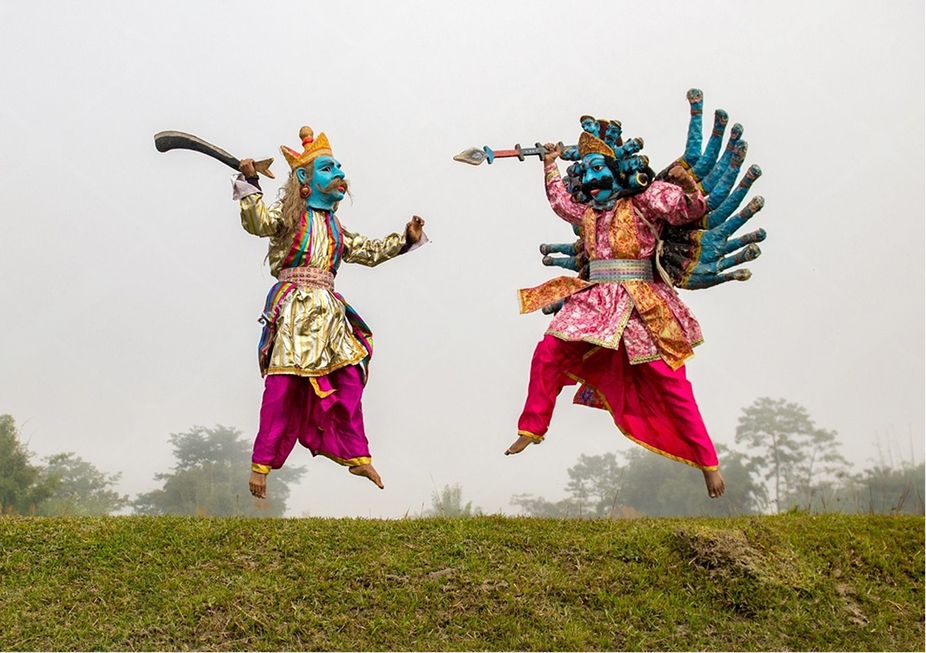
In the afternoon, you visit Samaguri Satra, where a master craftsman welcomes you into his home workshop. Here, the iconic Majuli masks come to life. You learn about their spiritual meanings and the discipline behind their creation. You may try your hand at the craft, but the real experience lies in listening. Each mask has a story. Each gesture a memory.
As evening falls, a riverside folk performance is arranged near your lodge. Musicians gather by firelight, playing ancestral tunes that speak of nature, longing, and joy. Dinner is served slowly, cooked over firewood in the traditional style. No rush. Just food, story, and song.
DAY
6
To Jorhat | Into the Tea Heartland
After breakfast, you board the ferry back to the mainland, watching Majuli’s silhouette fade into the Brahmaputra’s wide embrace. From Neemati Ghat, a short drive brings you to Jorhat, once a center of British tea enterprise and now a quiet town steeped in plantation legacy.
You check in to your stay, either Banyan Grove or Thengal Manor, charming heritage bungalows that once housed tea planters and their families. Wooden floors, old verandas, and slow fans set the rhythm of your afternoon.
Later, you set out on a heritage walk through colonial-era estates. Your guide shares stories of tea trade, rebellion, and how the river shaped commerce as much as culture.
As the sun dips, a tea sommelier welcomes you for a private tasting. You sample handpicked brews and learn the difference between flushes, terroirs, and techniques. Here, every cup carries history.
Dinner is served in the planter’s dining room. A curated colonial meal accompanied by jazz or vintage storytelling, depending on your mood. The night feels like a page from an old diary.
DAY
7
Jorhat to Ziro | Into the Highland Heart
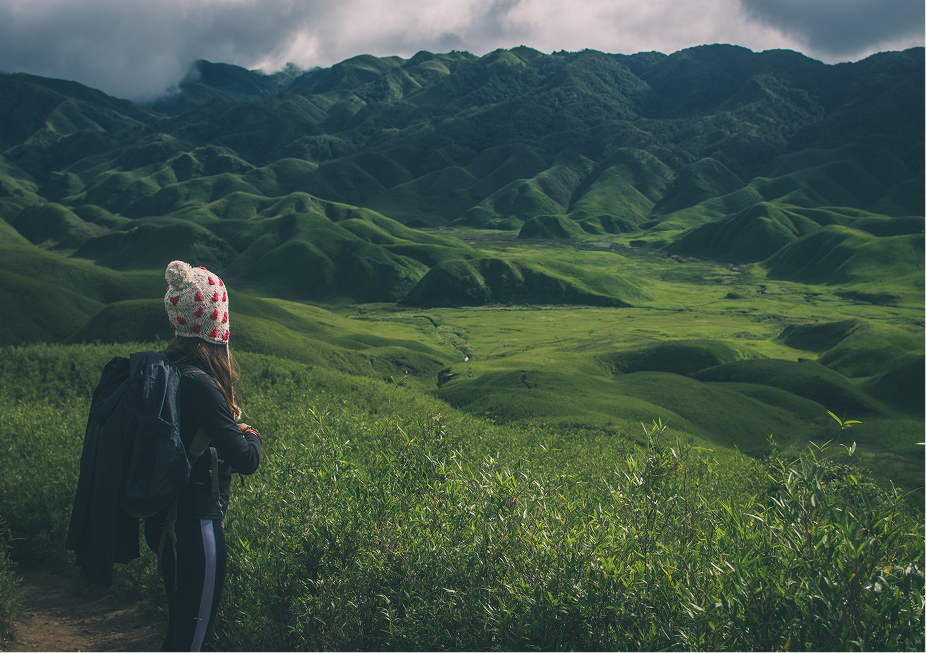
Today’s drive takes you northward and upward. As you leave Jorhat behind, the road climbs slowly into the Eastern Himalayan foothills, revealing dense forests, misted valleys, and villages that seem untouched by time.
After a journey of approximately six and a half hours, you arrive in Ziro Valley, a UNESCO-nominated region known for its unique Apatani culture, rice-fish farming systems, and mountain stillness.
You check in to your boutique mountain lodge, surrounded by pine trees and silence. The air is cooler here. The pace, even slower.
In the evening, you are welcomed by Apatani elders around a bonfire, where millet wine is poured, and oral stories are shared. The tales are not grand epics. They are about plants that heal, spirits that guide, and fields that must be sung to before they grow.
Dinner is rustic and local. Foraged greens, bamboo-smoked meat, and rice grown in nearby terraces. You sleep early, under a heavy blanket and a clear mountain sky.
DAY
8
Ziro | Forest Farming, Faith, and Family
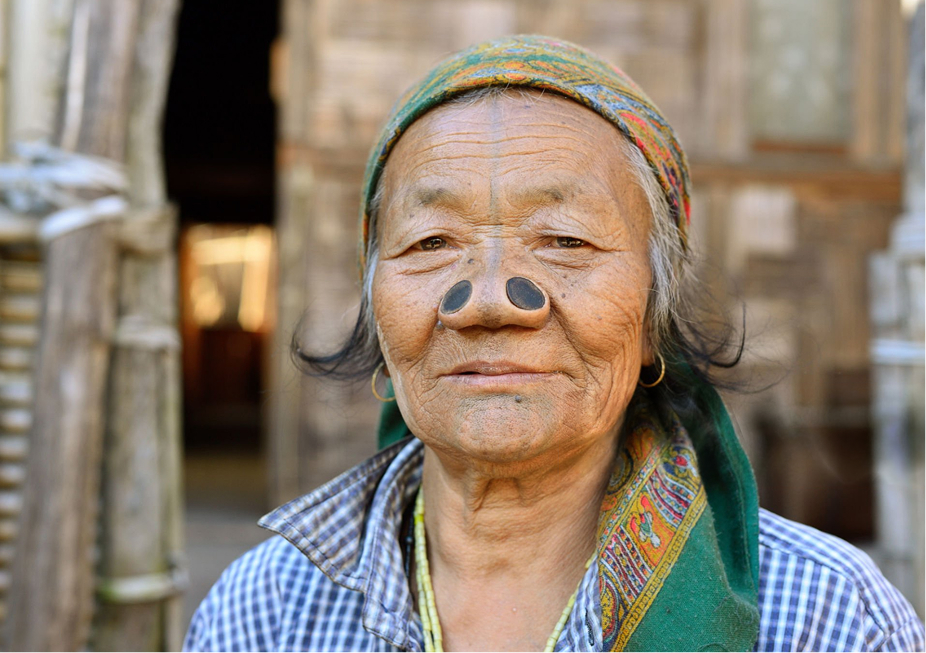
You begin the day with a guided walk through Apatani villages, where bamboo fences line the paths and sacred groves stand quietly among the homes. The Apatani people are known for their unique rice-fish farming system, which uses natural irrigation, organic methods, and deep knowledge passed down through generations.
As you walk, you meet artisans and elders who share their way of life. Women weave bamboo baskets, men tend rice plots and fish pools, and children run barefoot through forest trails. There is no performance here. Just presence.
Later, you visit a sacred grove, a place of quiet respect where no tree is cut and no ritual is casual. You also take part in a traditional craft session, learning about bamboo weaving and the spiritual logic behind everyday tools.
In the evening, a private cultural performance awaits. Folk musicians gather in a candlelit space, sharing ancestral songs and stories. These are not rehearsed spectacles. They are acts of memory, sung to keep the land and language alive.
Dinner is simple, nourishing, and served in a setting that feels like home.
DAY
9
Departure from Jorhat | What the River Leaves Behind
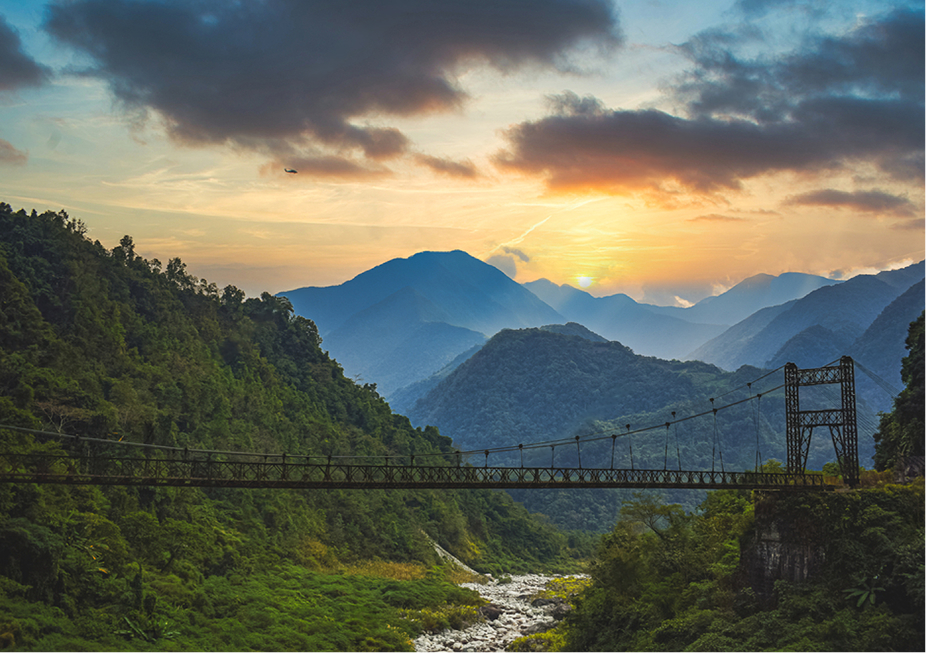
After breakfast, you begin the drive back to Jorhat, descending slowly from the highlands. The landscape shifts again. Pines give way to palms. Hills flatten into fields. Rivers reappear.
This journey was not about covering ground. It was about sinking in. Into rivers that change course each season. Into cultures that hold memory in song, silence, and soil. Into a part of India that does not ask to be seen, but asks to be felt. You came looking for the Brahmaputra. What you found was something deeper. A way of listening. A way of being. A reminder that sometimes, the most powerful stories are the ones that flow gently beside you.
Curate your Journey
1

Get in Touch
Connect with our travel experts, to start curating your journey.
2

Receive your Personalised Tour Itinerary
We’ll prepare a tour plan, based on your personal preferences and leveraging our unique local insights.
3

Finalize the Details
When you have your perfect India journey ready, book your tour with a deposit.
Contact us

India: One story, one plate, one journey at a time
At Anahat, we craft journeys that go beyond the itinerary. Rooted in luxury, story, and soul, each experience invites you to encounter India as it truly is: layered, intimate, alive. We work with scholars, monks, chefs, naturalists, and artisans to create meaningful immersions, in places both iconic and hidden. Handcrafted journeys designed with utmost care.
What sets us apart

Storytelling at the Core
Every journey is built around a story, not just a route. From rivers to recipes to rituals, we thread meaning into every moment.

Luxury, Redefined
We believe true luxury is space, stillness, and access. Our partners are India’s finest heritage homes, boutique retreats, and soulful hideaways.

Deep Local Wisdom
We work with spiritual teachers, forest guides, cultural anthropologists, and legacy artisans, not tour guides with scripts.

Wellness, Woven In
Whether it’s a guided meditation at dawn or slow, grounding meals, your journey with us nurtures body, mind, and spirit.